domingo, 6 de dezembro de 2015

The Globe- pensando em Shakespeare! / The Globe and Shakespeare


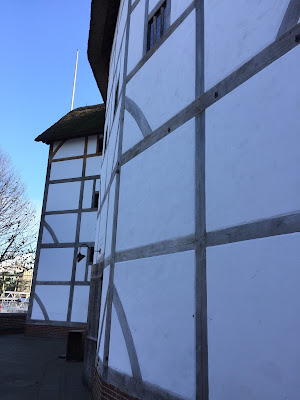
Não, não é o Globe original de 1644, mas que importância tem ser ou não ser? Ele é a essência de uma época em que o teatro vibrava na Inglaterra da primeira Elizabeth, em que todas as classes divertiam-se com os dramas encenados em teatros de companhias como a de Shakespeare, não deixando de lado, obviamente, grandes autores como Christopher Marlowe , Edmund Spenser, entre outros.  Ao entrarmos no teatro, parece que veremos logo algum Hamlet declamando o seu famoso solilóquio "To be or not to Be"


No! it is not the real Globe of 1644, but to be or not to be doesn't matter. It is the essence of a vibrant Drama era at the time of the first Elizabeth, time of Shakespeare, Edmund Spenser, Christopher Marlowe, to name a few . Ordinary people and nobles would go to these incredible theatres to watch plays such as Hamlet. And as we enter it, it seems that the time has gone back to that era and we will soon listen to a player acting as Hamlet or be more amorous as Romeo and the likes. 


Ser ou não ser, eis a questão: será mais nobre
Em nosso espírito sofrer pedras e setas
Com que a Fortuna, enfurecida, nos alveja,
Ou insurgir-nos contra um mar de provações
E em luta pôr-lhes fim? Morrer.. dormir: não mais.
Dizer que rematamos com um sono a angústia
E as mil pelejas naturais-herança do homem:
Morrer para dormir... é uma consumação

Que bem merece e desejamos com fervor.
Dormir... Talvez sonhar: eis onde surge o obstáculo:
Pois quando livres do tumulto da existência,
No repouso da morte o sonho que tenhamos
Devem fazer-nos hesitar: eis a suspeita
Que impõe tão longa vida aos nossos infortúnios.  


To be, or not to be- that is the question: 
Whether 'tis nobler in the mind to suffer 

The slings and arrows of outrageous fortune 
Or to take arms against a sea of troubles, 
And by opposing end them. To die- to sleep- 
No more; and by a sleep to say we end 
The heartache, and the thousand natural shocks 

That flesh is heir to. 'Tis a consummation 
Devoutly to be wish'd. To die- to sleep. 
To sleep- perchance to dream: ay, there's the rub! 
For in that sleep of death what dreams may come 
When we have shuffled off this mortal coil, 
Must give us pause.


Hamlet


ou algum romântico , tentando convencer sua amada de que ela poderia ou deveria ser comparada a um dia de verão.

SONNET 18

Shall I compare thee to a summer's day? 
Thou art more lovely and more temperate:
Rough winds do shake the darling buds of May,
And summer's lease hath all too short a date: 
Sometime too hot the eye of heaven shines,
And often is his gold complexion dimm'd; 
And every fair from fair sometime declines,
By chance, or nature's changing course, untrimm'd;
But thy eternal summer shall not fade
Nor lose possession of that fair thou ow'st;
Nor shall Death brag thou wander'st in his shade,
When in eternal lines to time thou grow'st; 
So long as men can breathe or eyes can see,
So long lives this, and this gives life to thee. 

sexta-feira, 4 de dezembro de 2015

Castelo de Cardiff/ Cardiff Castle

E no meio do caminho, tem um castelo.....

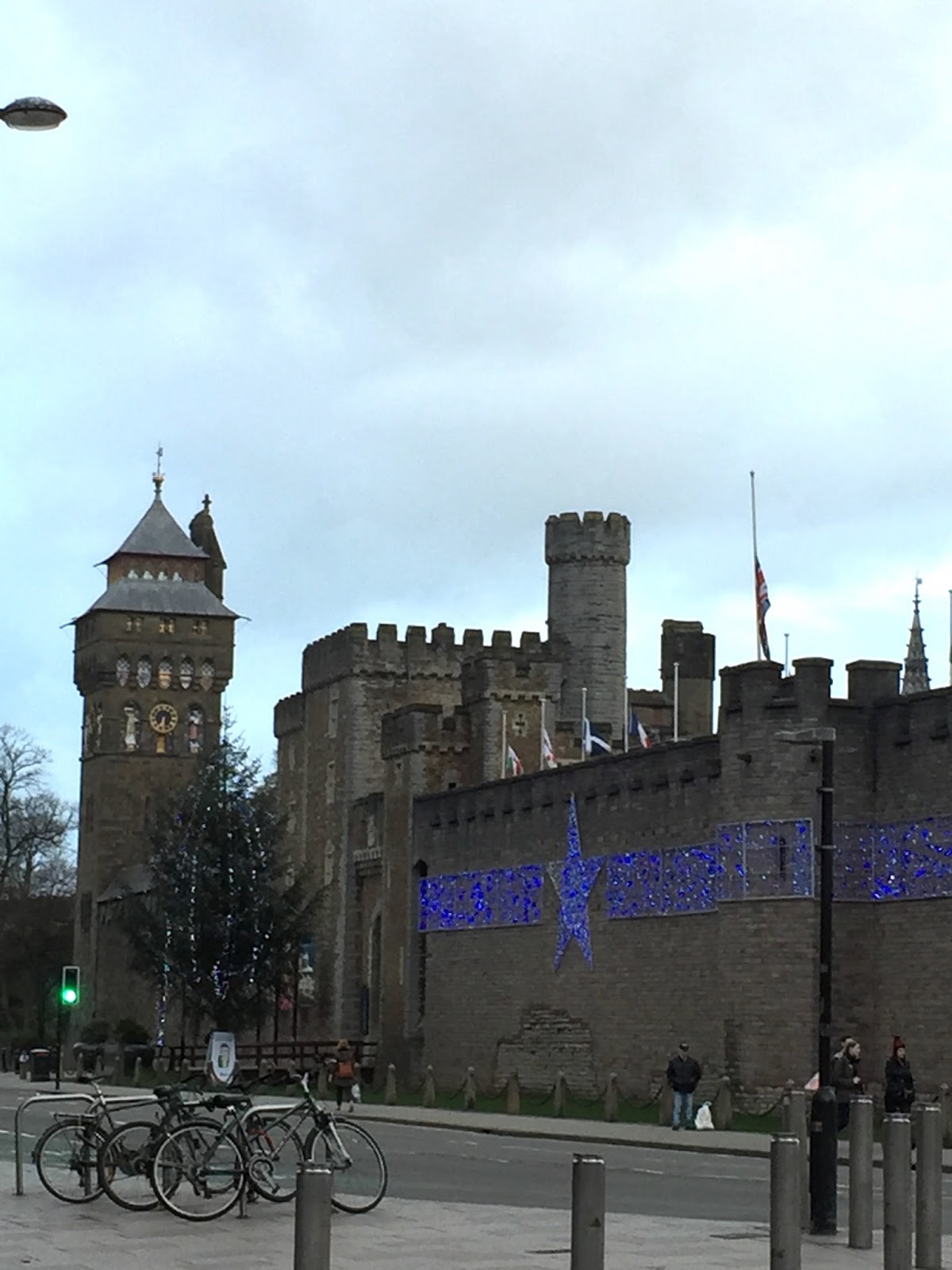
Não há como não se encantar por Cardiff, a jovem capital do País de Gales, apesar de o lugar ter séculos de história. Mas hoje, Nosso Olhar apenas  se atém ao Castelo de Cardiff, uma fortaleza com origem em um  forte romano do século 3 - marcado por pedras no pátio e próximo ao fosso da torre construída no século 11 pelos invasores Normandos . Não se sabe ao certo se a fortaleza foi mandada ser construída por Guilherme o Conquistador ou Robert Fitzhamon. O certo é que sua torre  e seus muros espetaculares ainda permanecem em pé, acompanhados de uma mansão Gótica, que passou por muitos donos, mas que foi totalmente reformada pelo Marquês de Bute, no século 18. Na II Guerra Mundial, os muros serviram de abrigo antiaéreo e, quando o quarto Marquês de Bute faleceu em 1947, o Castelo foi doado à cidade de Cardiff.


And, in the center of the city, there is a Castle......
It is impossible not to fall in love with Cardiff, the young (though with a thousand history) capital of Wales. But today, Nosso Olhar wants to talk only about Cardiff Castle, a Medieval Castle built on top of a third century Roman Fort and its Victorian Gothic Revival Mansion.
The Castle built by the Norman invaders was commissioned either by William the Conquerer or  Robert Fitzhamon. Its impressive walls and keep are still there, as if they were built yesterday.  The Gothic Mansion was rebuilt by the Marquess of Bute - John  Stuart and during II WW, its walls serve as air raid shelters. When the 4th Marquess of Bute died in 1947, The Castle was given to the city of Cardiff.


janelas da torre / Keep windows


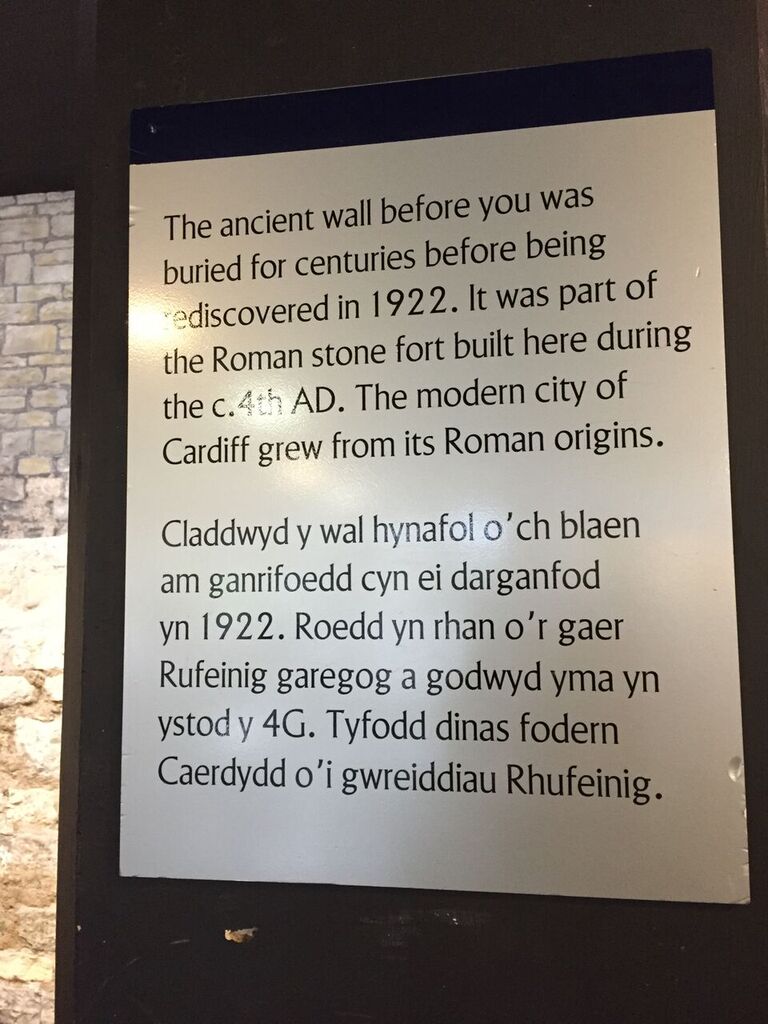
Ancient Roman Walls


Air raid shelters


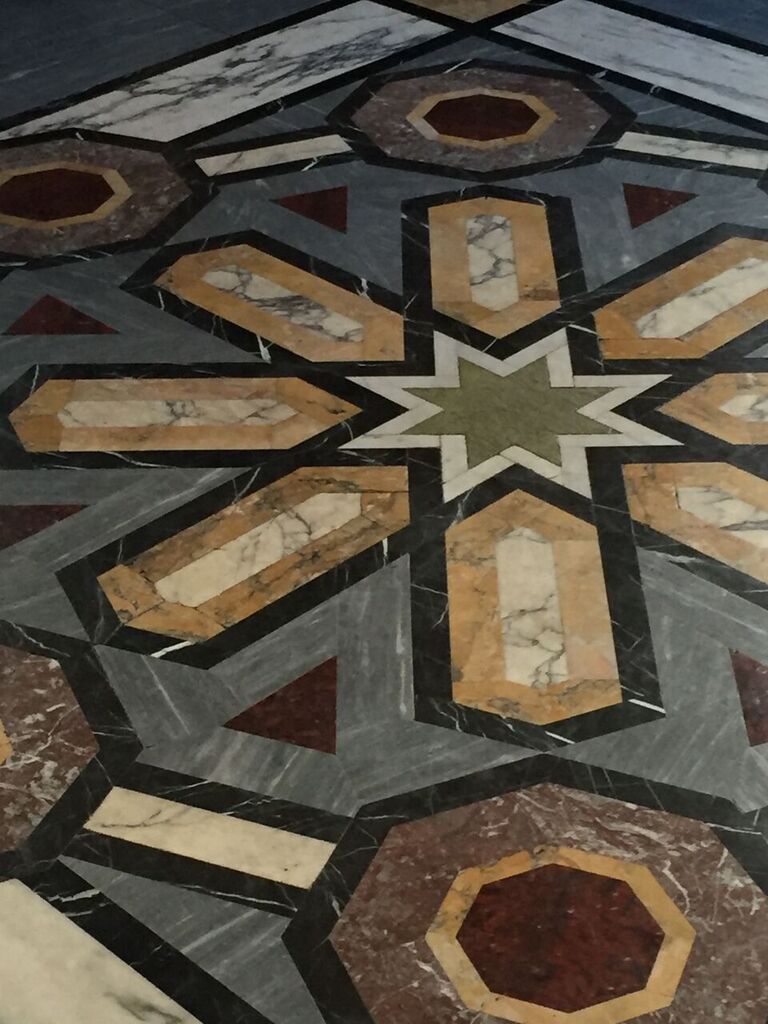
The Mansion


canhão encontrado no séc. XVIII

domingo, 29 de novembro de 2015

Museu Britânico / British Museum

Londres não é uma cidade, mas um estado de espírito que se espalha por suas inúmeras ruas, cantos e encantos.
O Museu Britânico é um deles. Não se pode dizer que se conhece Londres, sem se ter passado pelo menos algumas horas nesse imponente prédio, guardião de conhecimento e cultura do homem através dos tempos.
Nossa visita, desta vez, tinha um tópico específico: a exposição sobre os Celtas . Mas como não foi permitido tirar fotos, apresentamos aqui algumas magníficas obras egípcias.


London is not a city, it is a spirit of the mind that spreads by its uncountable streets, corners and charming places. The British Museum is one of these places - guardian of knowledge and culture from ancient times - and you can not say you know the city unless you have visited the museum at least once.
Our visit this time had one topic in mind: the Celts, art and identity. As it was forbidden to take pictures, we choose some art from old Egypt.


Ramsés 


a deusa/the goddess Sekmet


Ramsés 

Porta Falsa do túmulo de Ptahshepses
False door and architrave of Ptahshepses


Estátua de Nenkhefetka
Statue of Nenkhefetka


domingo, 8 de novembro de 2015

10ª Bienal do Mercosul "Biografia da Vida Urbana" / Bienal in Porto Alegre: Urban Life Biography


Porto Alegre vive dias envolvida em arte. A 10ª edição da Bienal apresenta-se como uma mostra da história da arte latino-americana.
No MARGS, poderemos rever ou conhecer obras já clássicas de grandes  artistas , como Tarsila do Amaral, João Fahrion, Hélio Oiticica, Lígia Clarck,Lygia Pape  entre tantos outros.
​Vale uma visita !


Porto Alegre is breathing ART. In its 10th edition, Bienal focuses in the history of Latin American Art. 
At MARGS ( Museum of Art of the State of Rio Grande do Sul) we can see classic works from known artists such as Tarsila do Amaral, João Fahrion, Hélio Oiticica, Lígia Clarck, Lygia Pape, among others.